
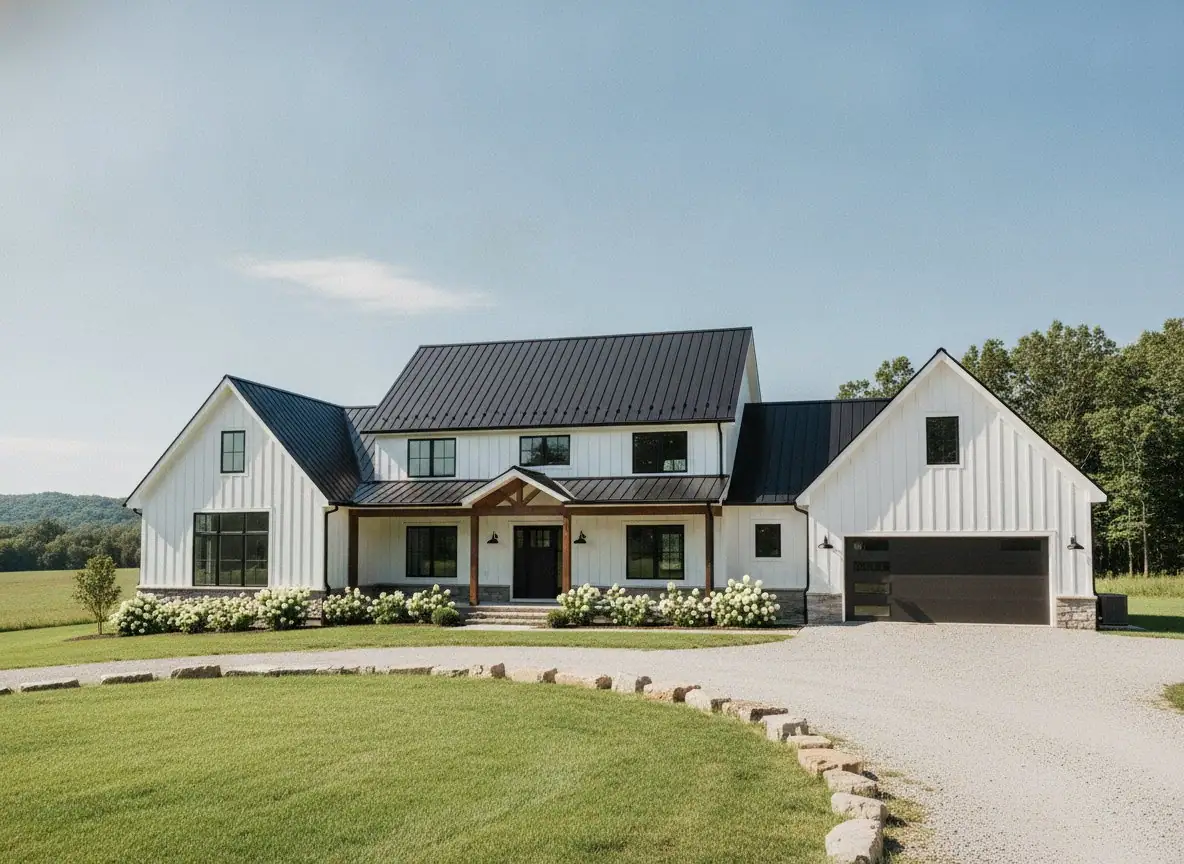
Siding Cost in Tuttle, OK
Siding cost in Tuttle depends on four main things: the size of your home's walls, the material you choose, how much old siding has to come off, and what we find underneath it. This guide from Frontier Siding Solutions explains each of those factors, compares common materials, and shows you how to measure your house so you can budget before you call for an exact number.
We don't publish flat siding prices because two houses with the same floor plan can need very different amounts of labor and material. Everything on this page reflects 2026 conditions. Your actual price is set in a written quote after a free inspection of your home.
At a glance
What affects the cost of siding?
The biggest drivers of siding cost are wall area, material, tear-off of the old siding, trim work, labor complexity, and any repairs needed to the sheathing underneath. Each one adds to or reduces the total, and some, like hidden sheathing damage, only show up once the old siding is removed. The table below shows what each factor means for your project.
| Cost factor | What it means | What pushes the price up |
|---|---|---|
| Size (wall area) | The total square footage of exterior wall to be covered, not the floor area of the home | Two-story walls, tall gables, attached garages, and large wall sections without windows |
| Material | Vinyl, fiber cement, James Hardie fiber cement, or board and batten profiles | Heavier, thicker, or factory-finished products and premium profiles |
| Removal (tear-off) | Taking off and hauling away the existing siding | Multiple old layers, asbestos-era materials that need special handling, and disposal volume |
| Trim and accessories | Corner posts, J-channel, window and door casings, soffit, fascia, and starter strips | Many windows and doors, decorative trim, custom bends, and replacing soffit and fascia at the same time |
| Labor and access | Crew time, setup, and safety equipment | Steep roof pitches over walls, second stories, tight lot lines, landscaping, and many corners or bump-outs |
| Repairs to sheathing | Fixing rotted or soft OSB, plywood, or framing found after tear-off | Long-term moisture behind the old siding, storm damage, and pest damage |
| House wrap and insulation | Weather-resistive barrier and optional insulated backing | Full re-wrap, added foam board, and taping and flashing upgrades |
| Permits | Any local permit required for the work | Projects that change structure or involve larger scopes |
Damage extent matters too. Replacing a few storm-cracked panels is a siding repair job, while widespread hail damage or rot usually means full replacement. With those factors in mind, the next question is how they play out on homes here in Tuttle.
How much does siding cost in Tuttle, OK?
Siding cost in Tuttle is set home by home, so we provide a written quote after a free inspection instead of a one-size price. That said, some local conditions shape what most Tuttle homeowners end up paying for.
- Weather exposure. Central Oklahoma sees hail, high wind, and summer heat. Homeowners often weigh impact resistance and wind ratings more heavily here, and that can steer material choice.
- Home style. Many homes in and around Tuttle are single-story ranch layouts on larger lots. That often means easy access and lower setup time, but long wall runs still add up in square footage.
- Rural and acreage properties. Detached garages, shops, and outbuildings are common. Siding them at the same time changes the material order and labor schedule.
- Storm timing. After a hail event, many homes need work at once. Planning your project and inspection early helps you make decisions without rushing.
Read moreShow less
For a closer look at new construction and full re-siding budgets, see our pages on siding installation cost in Tuttle and siding replacement cost in Tuttle. One of the most common budgeting questions starts with a smaller house, so let's look at that next.
Free, no-obligation estimates
Talk to Frontier Siding Solutions
Tell us what you need and we’ll take it from there.
How much does siding cost for a $1000 sq ft house?
For a 1,000 square foot house, the siding cost depends on the exterior wall area, which is usually larger than the 1,000 square feet of floor space. A single-story home with that footprint has four walls, gable ends, and openings for windows and doors, and that is the area we actually price.
Here's why the floor size alone won't give you a number:
- Wall height varies. An 8-foot wall and a 10-foot wall on the same footprint produce very different siding areas.
- Shape matters. A simple rectangle has less wall and fewer corners than an L-shaped home with the same floor area.
- Gables add area. Triangular gable ends under the roofline add siding that isn't reflected in the floor plan.
- Openings subtract area but add trim. Windows and doors reduce siding panels but increase trim and flashing work.
Read moreShow less
A smaller home also has fixed costs that don't shrink much with size, such as setup, equipment, disposal, and trip time. So on a per-square-foot basis, smaller projects can look higher than larger ones. The most useful step you can take before calling us is to measure your actual wall area, which is the next topic.
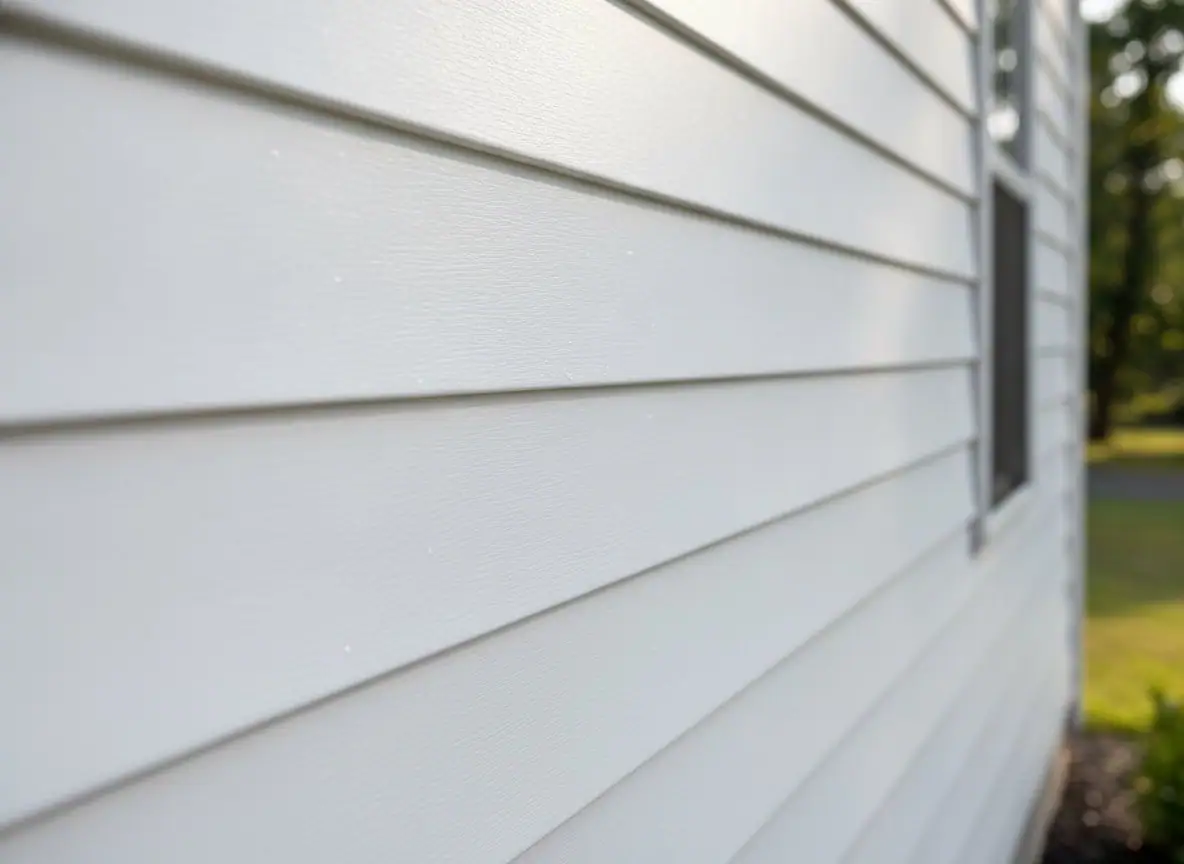
At a glance
How to measure for siding?
To measure for siding, multiply the length and height of each wall, add the gable triangles, subtract large openings, and add a waste allowance. Siding is ordered in "squares," and one square covers 100 square feet of wall. Here is a step-by-step guide you can do with a tape measure and a notepad.
- Measure each rectangular wall. Measure the length along the bottom and the height from the foundation line to the soffit or roofline. Multiply length by height for each wall.
- Measure gable ends. For each triangular gable, measure the base width and the height from the base to the peak. Multiply base by height, then divide by 2.
- Add dormers, bump-outs, and chimneys. Treat each as small rectangles and triangles and add them to your total.
- Subtract large openings. Measure garage doors, large picture windows, and sliding doors. Subtract them from the total. Many contractors don't subtract standard windows because the trim and cutting waste around them offsets the saved area.
- Add a waste allowance. Cuts, overlaps, and corners create scrap. A common allowance is about 10 percent for simple homes and 15 percent or more for homes with many corners and angles.
- Convert to squares. Divide the final number by 100 to get the number of siding squares.
- Measure trim separately. Count outside and inside corners, measure their heights, and measure the total perimeter of windows and doors for trim.
| Wall section | How to calculate |
|---|---|
| Rectangular wall | Length × height |
| Gable end | (Base × height) ÷ 2 |
| Large opening | Width × height, then subtract |
| Waste allowance | Total × 1.10 to 1.15 |
| Siding squares | Final total ÷ 100 |
Your own measurement is a good budgeting tool. During the free inspection we measure the home ourselves and check the condition of what's underneath, which is what the written quote is based on. Once you know your wall area, the next decision is material, and the most common comparison is vinyl against wood.
At a glance
Is it cheaper to do vinyl siding or wood siding?
Vinyl siding is generally cheaper than wood siding, both to install and to maintain over time. Vinyl panels are lighter, faster to hang, and don't need painting. Wood costs more for material, takes more labor to install and finish, and needs regular painting or staining to hold up in Oklahoma sun and storms.
Fiber cement, including James Hardie products, sits between the two for many homeowners. It costs more than vinyl but offers a wood-like look with less upkeep than real wood. The table below compares materials in relative terms, not dollar amounts.
| Material | Relative installed cost | Upkeep | Storm resistance | Notes |
|---|---|---|---|---|
| Vinyl | Lowest | Low; occasional washing | Moderate; can crack in hail and cold | Fast installation, many colors and profiles |
| Insulated vinyl | Low to moderate | Low | Better impact resistance than standard vinyl | Foam backing adds rigidity |
| Fiber cement | Moderate to higher | Low to moderate; periodic repainting | Strong; resists fire, pests, and impact | Heavier, more labor to cut and install |
| James Hardie fiber cement | Moderate to higher | Low to moderate | Strong | Name-brand fiber cement product line |
| Board and batten | Varies by material | Depends on material used | Depends on material used | Vertical style available in vinyl or fiber cement |
| Natural wood | Higher | High; regular paint or stain | Moderate; vulnerable to moisture and pests | Classic look, most maintenance |
We install vinyl, fiber cement, James Hardie, and board and batten siding. You can review all of our home siding services in Tuttle to see what fits your house. Since vinyl is the most common choice, many homeowners next want to know what replacing it on a typical-size home involves.
At a glance
How much to replace vinyl siding on a 2000 sq ft house?
Replacing vinyl siding on a 2,000 square foot house is priced on wall area, tear-off, trim, and repairs, and we provide the exact figure in a written quote after inspecting the home. Whether that 2,000 square feet is spread over one story or two changes the job a lot.
| Factor | One-story, 2,000 sq ft | Two-story, 2,000 sq ft |
|---|---|---|
| Wall area | Longer perimeter, shorter walls | Shorter perimeter, taller walls |
| Access | Mostly ladder work | Scaffolding or lifts often needed |
| Labor time | Usually less per square | Usually more per square due to height |
| Tear-off and disposal | Scales with wall area | Scales with wall area plus height handling |
| Trim and soffit | Longer soffit runs | More vertical trim and gable work |
Other items that shape a replacement price:
- Whether you stay with vinyl or switch to fiber cement
- How many layers of old siding have to come off
- The condition of the house wrap and sheathing
- Whether soffit, fascia, and trim are replaced at the same time
- Any insurance claim involvement after storm damage
Our siding replacement page explains the process in more detail. Before you commit to vinyl again, it helps to understand where vinyl falls short.
What is the downside of vinyl siding?
The main downsides of vinyl siding are that it can crack from hail or impact, fade over time in strong sun, and warp from intense heat. It's an affordable, low-maintenance material, but it has limits that matter in central Oklahoma.
- Hail and impact damage. Standard vinyl becomes more brittle in cold weather and can crack or puncture during hailstorms.
- Fading. Darker colors in particular can fade unevenly on sun-facing walls.
- Heat warping. Reflected heat from nearby windows or dark surfaces can cause panels to buckle.
- Wind blow-off. Panels that aren't fastened correctly or have loosened over time can come off in high wind.
- Hidden moisture. If water gets behind vinyl through damaged panels or poor flashing, it can sit against the sheathing unnoticed.
- Color matching on repairs. Older or discontinued colors can be hard to match for patch repairs.
Read moreShow less
Insulated vinyl and careful installation address some of these issues, and fiber cement avoids most of them at a higher upfront cost. Those weaknesses also determine how long vinyl lasts, which leads to the question of replacement timing.
How often should siding be replaced?
Siding should be replaced when it stops protecting the home, not on a fixed calendar. Quality vinyl and fiber cement commonly last for decades with proper installation and care, while wood needs more frequent upkeep to reach a long service life. In practice, storm damage and moisture problems often decide the timing before age does.
Signs it's time to consider replacement instead of repair:
- Cracked, broken, or missing panels across multiple walls
- Soft spots, rot, or swelling when you press on the siding
- Peeling paint or stains on interior walls near exterior walls
- Panels that are loose, warped, or bulging
- Mold, mildew, or water stains seeping from seams
- Severe fading that cleaning doesn't fix
- Rising energy bills alongside drafty exterior walls
Read moreShow less
Routine siding repair and maintenance can extend the life of siding that is mostly sound. A siding inspection tells you which path makes more sense for your home. When damage comes from a storm, the next question is usually who pays for it.
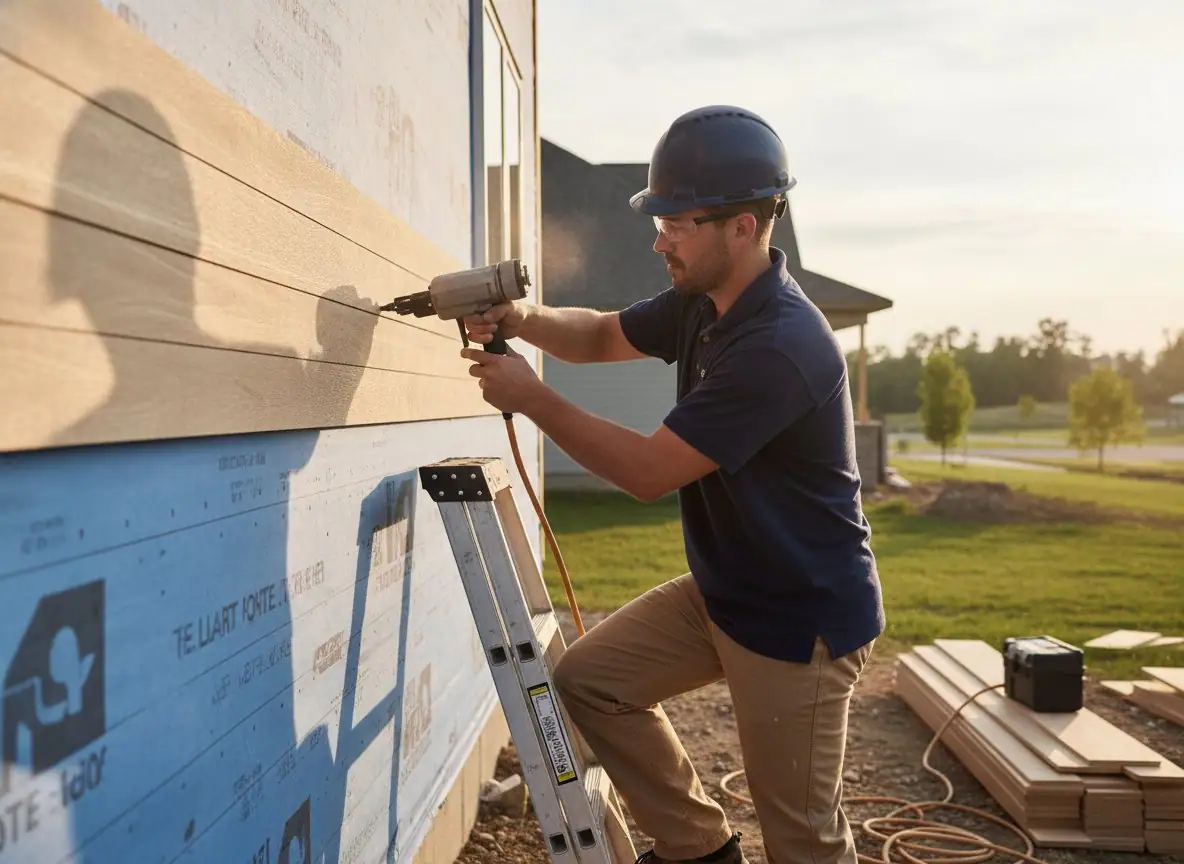
Does insurance pay for siding, and is financing available?
Homeowners insurance often pays for siding damaged by a covered event such as hail or wind, and yes, we offer financing for projects that aren't covered or for upgrades beyond what insurance pays. Coverage depends on your policy, your deductible, and the cause of the damage. Wear, age, and lack of maintenance are generally not covered.
How we help with insurance claims
- We inspect the siding and document storm damage at no charge.
- You contact your insurance company to open a claim.
- We help you through the claim process, including providing information about the damage and the scope of work.
- Once the claim is approved, we schedule the repair or replacement.
A common issue is matching. If only some walls are damaged and the original siding can't be matched, the scope of a fair repair becomes part of the claim discussion.
Read moreShow less
Financing options
Financing is available to help spread the cost of siding installation or replacement over time. Ask about it during your free estimate, and we'll explain how it works for your project. For storm damage that leaves your home exposed, we also provide 24/7 emergency service. With coverage and payment options in mind, the final step is getting an exact price for your home.
How do I get an exact siding quote in Tuttle?
To get an exact siding quote in Tuttle, schedule a free inspection, and we'll provide a written quote based on your home's measurements and condition. Here's how the process works:
- Call or request online. Call (405) 342-8409 or get a free siding estimate through our contact page.
- Free inspection. We measure every wall, check existing siding, look for moisture and storm damage, and review trim, soffit, and fascia.
- Material discussion. We go over vinyl, fiber cement, James Hardie, and board and batten options based on your budget and goals.
- Written quote. You receive a written quote that spells out the scope of work, so you know what's included.
- Insurance and financing. If a claim or financing is involved, we walk through those steps with you.
Read moreShow less
All information on this page reflects 2026 conditions and is general guidance only. Your actual price is subject to a written quote after inspection. Frontier Siding Solutions is insured and serves homeowners and property owners in Tuttle. You can learn more about us or read about our siding installation work.
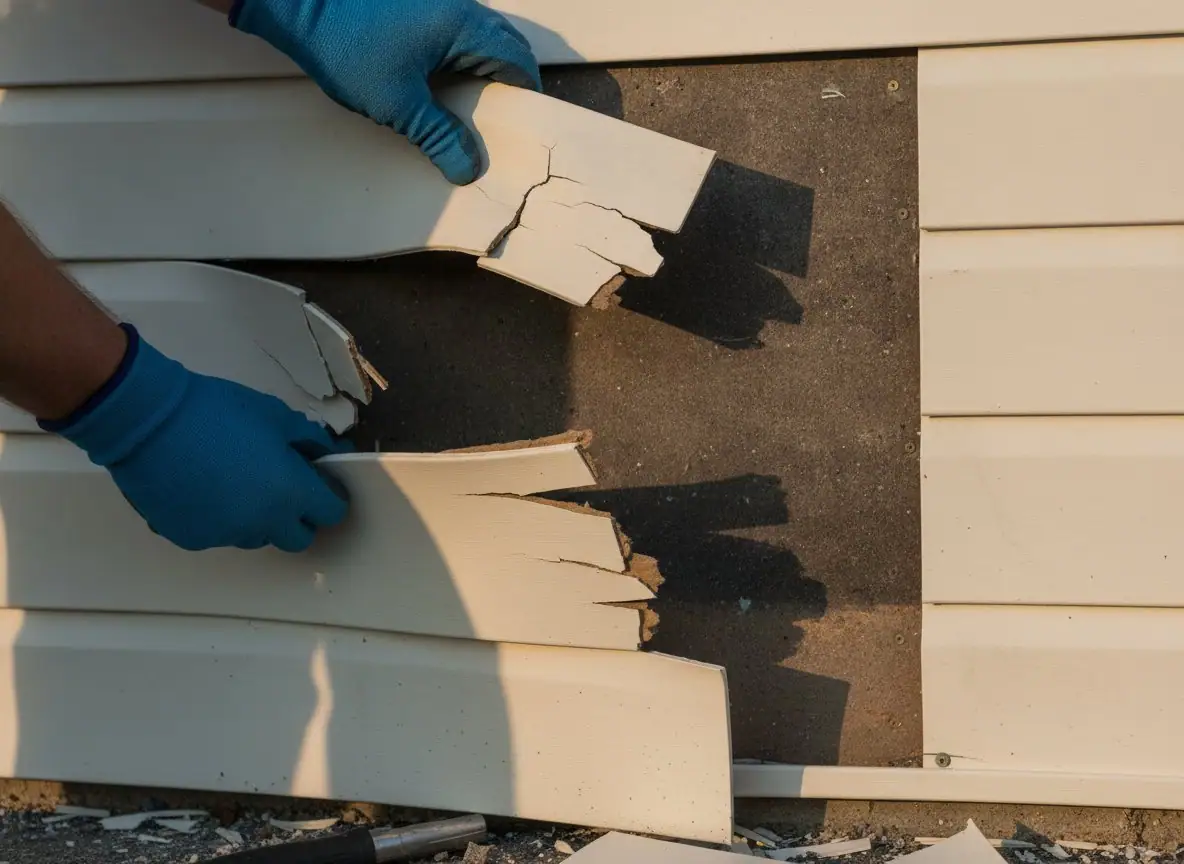
FAQ
Frequently asked questions
How much does fiber cement siding cost compared with vinyl?
Fiber cement siding generally costs more than vinyl. The material is heavier, needs special cutting tools, and takes more labor to install. In return, it offers stronger resistance to impact, fire, and pests. We compare both options for your home during a free inspection and include the details in your written quote.
Does the cost of siding include removal of old siding?
When we replace siding, removal and disposal of the old siding is part of the scope, and it's listed in your written quote. Tear-off affects the price because of the number of layers, the type of material, and disposal volume. Removal also lets us check the sheathing for damage before new siding goes on.
What is the cheapest siding to install?
Vinyl is typically the least expensive siding to install. It's lightweight, quick to hang, and doesn't need painting. The lowest upfront cost isn't always the lowest long-term cost, though, especially if your home faces frequent hail, so we explain the tradeoffs before you decide.
Do you offer free siding estimates?
Yes. We offer free inspections and estimates for siding repair, installation, and replacement in Tuttle. After the inspection, you receive a written quote. Call (405) 342-8409 to schedule.
Does new siding add value to a home?
New siding can improve curb appeal, protect the structure from moisture, and make a home more attractive to buyers. How much value it adds depends on your home, the material, and the local market. Replacing damaged or worn siding also helps prevent costly repairs to the sheathing and framing underneath.
Ready for a real number instead of an estimate range? Call Frontier Siding Solutions at (405) 342-8409 to schedule your free siding inspection in Tuttle.
Why choose us
Why choose Frontier Siding Solutions?
Free estimates
Get a clear, no-obligation estimate before any work begins.
Licensed & insured
Your property and our crew are protected on every project.
Residential & commercial
One team for homes, multi-family and commercial properties.
Locally owned & operated
A local team serving your community and the surrounding area.
Get in touch
Find siding help near you
Request a free estimate online or give us a call — our team will follow up quickly.
- Call us(405) 342-8409
- Visit4215 Sambar St, Tuttle, OK 73089
- HoursMonday- Sunday: 7 AM- 7PM