Home Siding Services in Tuttle, OK
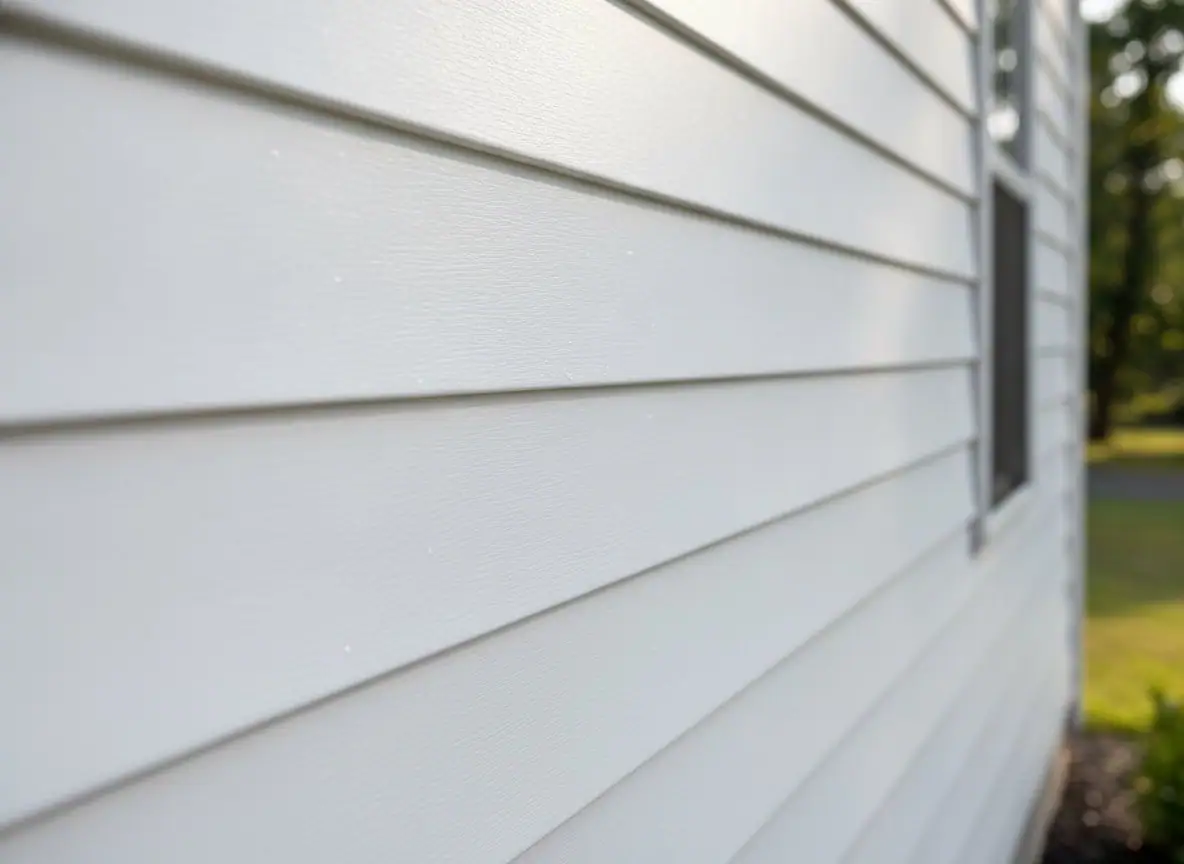
Home siding is the layer that keeps rain, wind and Oklahoma hail off your walls, and choosing the right material and installer matters as much as choosing the color. Frontier Siding Solutions works with homeowners and commercial property owners in Tuttle, OK on siding installation, replacement, repair, inspection and maintenance. That includes vinyl, fiber cement, James Hardie and board and batten siding.
This page covers the main exterior siding materials, what insulated siding is, how to spot a good install, what drives cost, and which service fits your situation. When you are ready, call (405) 342-8409 for a free inspection and written estimate.
What is the best siding for houses?
The best siding for a house is the one that matches your budget, local weather and maintenance tolerance. For most Tuttle homes, that comes down to vinyl or fiber cement, with engineered wood as another common choice. No single material wins on every point, so it helps to rank what matters most to you.
Tuttle homes deal with hail, straight-line winds, hot summers and freeze-thaw cycles in winter. A useful way to decide:
- Lowest upfront cost and easy upkeep: vinyl. It never needs paint, cleans with a garden hose, and damaged panels can often be swapped individually.
- Impact and fire resistance: fiber cement. It is heavier, more rigid and noncombustible, so it holds up well against hail and wind-blown debris.
- A wood look with lighter weight: engineered wood, which is wood strands bonded with resins and coated at the factory. It needs careful sealing at cut edges and periodic repainting.
- Architectural style: board and batten, a vertical profile available in several materials that suits farmhouse and modern designs.
Most homeowners compare materials first, then check local prices, then get contractor estimates. The next step is seeing how each type of exterior siding stacks up side by side.
At a glance
What are the different types of exterior siding for Tuttle homes?
The main types of exterior siding for Tuttle homes are vinyl, fiber cement (including the James Hardie brand), engineered wood, and board and batten profiles. Each handles central Oklahoma weather differently. The table below compares the four options Frontier installs.
| Material | Look | Hail and wind | Maintenance | Relative cost | Best fit |
|---|---|---|---|---|---|
| Vinyl | Lap, Dutch lap, shake and vertical profiles in factory colors | Can crack in hard hail, especially in cold weather. Thicker panels resist better. | Very low. Wash once or twice a year. | Lowest | Budget-focused projects, rentals and quick re-sides |
| Fiber cement | Lap, panel and shingle styles. Primed or factory-finished. | Strong impact resistance. Noncombustible. | Repaint every several years if site-painted. Keep joints and trim caulked. | Moderate to higher | Homeowners who want durability and a painted-wood look |
| James Hardie | A brand of fiber cement with lap, panel, shingle and vertical lines, many with baked-on color | Same strengths as fiber cement. Product lines are engineered for specific climate zones. | Low to moderate. Factory finishes reduce repainting. | Higher | Long-term owners who want a recognized brand and finish options |
| Board and batten | Wide vertical boards with narrow battens over the seams | Depends on material (vinyl or fiber cement) | Depends on material. Batten edges need intact sealing on painted products. | Varies with material and detail work | Farmhouse, ranch and modern exteriors, accent walls and gables |
Engineered wood is another option many homeowners research. It is lighter than fiber cement and offers deep wood-grain textures, but it depends on intact paint and edge sealing to keep moisture out. Local contractors vary in which materials they install, their customer ratings and how soon they are available. Ask any installer up front which products they handle. Material choice also ties closely to style, which is where current trends come in.
Free, no-obligation estimates
Talk to Frontier Siding Solutions
Tell us what you need and we’ll take it from there.
What is the new trend for siding?
The biggest trend in siding for homes right now is mixing materials and profiles, especially vertical board and batten paired with horizontal lap siding, in deeper or more natural colors. Several related shifts show up on Tuttle projects and around the region:
- Mixed profiles: lap siding on the main walls, with board and batten on gables, porches or entry bump-outs.
- Darker and earthier colors: charcoal, deep green, navy and warm browns, often with contrasting trim. Darker colors absorb more heat, so ask whether a given product is rated for dark shades.
- Modern farmhouse white with black trim: still popular, usually in board and batten or smooth lap.
- Wider exposures and smooth textures: wider lap boards and smoother finishes for a cleaner, contemporary look.
- Factory-applied finishes: prefinished fiber cement and colorfast vinyl that reduce repainting.
- Attention to energy performance: more homeowners asking about insulation behind or within the siding.
That last trend raises a practical question: what insulated siding options exist, and how do they differ?
At a glance
What are the different types of insulated siding available?
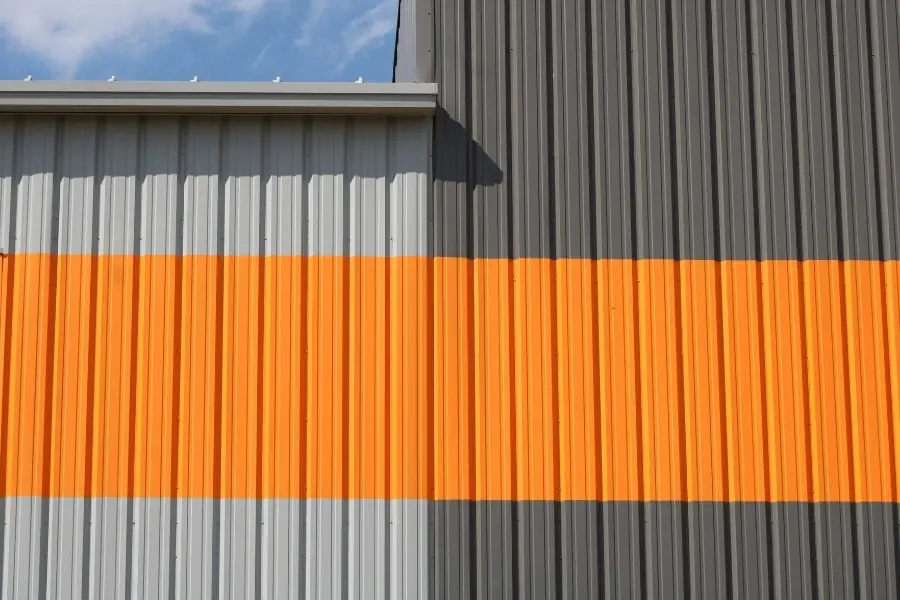
Insulated siding comes in two main forms. One is insulated vinyl, which has rigid foam bonded or fitted to the back of each panel. The other is a standard siding (vinyl, fiber cement or engineered wood) installed over a separate layer of continuous rigid foam board. Here is how the approaches compare.
| Type | How it works | Typical added insulation | Considerations |
|---|---|---|---|
| Insulated vinyl siding | Contoured expanded polystyrene (EPS) foam is attached to the back of the vinyl panel. | Modest, roughly R-2 to R-3 depending on product | Panels feel more rigid and resist denting better than hollow-backed vinyl. They are thicker, so trim and window details must account for it. |
| Foam board under siding | Sheets of EPS, XPS or polyiso are installed over the wall sheathing, then siding goes on top. | Varies with board type and thickness | Works with many siding materials. Window and door trim often need extension, and fastener lengths must increase. |
| Fiber cement over foam | Fiber cement is fastened through a foam layer into framing, following the manufacturer's rules. | Depends on foam thickness | Heavier siding over foam needs careful fastening design and manufacturer approval. |
Insulated siding is not a substitute for wall-cavity insulation. It works mainly by reducing thermal bridging through studs, the heat that moves through framing where cavity insulation cannot reach. Frontier's listed services cover vinyl, fiber cement, James Hardie and board and batten siding. If you want insulated siding specifically, ask during your free inspection and we can discuss what fits your walls. Whether it is worth the extra cost depends on a few specifics.
Is it worth getting insulated siding?
Insulated siding is worth it when you are already replacing siding down to the sheathing, plan to stay in the home for years, and have walls with little or poorly installed cavity insulation. It is usually not worth it if your walls are already well insulated and you mainly want a cosmetic update.
Use these decision rules:
- Good candidates: older homes with thin or settled wall insulation, rooms that run noticeably hot in Oklahoma summers, and full re-siding projects where old material is coming off anyway.
- Weaker candidates: newer homes built with good wall insulation, partial repairs, and homes you plan to sell soon.
- Side benefits: a stiffer feel, straighter-looking walls and some reduction in outside noise.
- Watch-outs: added thickness changes trim details around windows and doors, and moisture management behind the foam has to be done correctly.
Whatever material you choose, the result depends on installation. That makes the next question one of the most important on this page.
How to tell if vinyl siding is installed correctly?
Vinyl siding is installed correctly when the panels can move side to side, sit straight and level, and are fastened, overlapped and flashed according to the manufacturer's instructions. Vinyl expands and contracts noticeably with temperature, so most visible problems such as waves, buckling and panels popping loose come from installation that does not allow for that movement. Use this checklist:
- Panels slide: with gentle hand pressure, a panel should move slightly left and right. If it will not budge, it was likely nailed too tight.
- Nails centered in the slots: fasteners belong in the center of the nailing slots, not at the ends. Heads should be left slightly loose, about the thickness of a dime, not driven flush.
- No face nailing: nails should never go through the visible face of a panel.
- Expansion gaps at trim: panels should stop short of J-channel and corner posts to leave room for expansion. Manufacturers typically call for about 1/4 inch, and more when installing in cold weather.
- Proper overlaps: panel ends should overlap by about an inch. Overlaps should be staggered and placed away from the main viewing angle.
- Level starter strip: the first course sets every course above it. Courses that drift uphill or downhill point to a crooked start.
- Flashing and water barrier: windows, doors and roof-to-wall intersections need flashing, and a water-resistive barrier should be behind the siding. Siding sheds most water, but the barrier handles what gets behind it.
- Clean trim details: J-channel should be lapped so water runs out, not in. Corner posts should be plumb, and utility penetrations need mounting blocks rather than ragged cutouts.
- No waves or bulges: sight down the wall in low-angle light. Ripples usually mean tight nailing, an uneven wall or missing expansion room.
Read moreShow less
Fiber cement and James Hardie follow different rules, including specific nail placement, joint treatment and clearances from roofs and the ground. Ask your installer how they follow the manufacturer's instructions. Quality work takes labor and planning, which leads directly to cost.
At a glance
How much does siding cost for a $1000 sq ft house?
Siding cost for a 1,000 square foot house depends on the wall area being covered, not the floor area. A 1,000 sq ft home can have very different amounts of exterior wall depending on ceiling height, number of stories, gables and footprint shape. Frontier gives a written quote after a free inspection instead of guessing from square footage alone. These are the main factors that move the price:
| Cost factor | Why it matters |
|---|---|
| Wall area and shape | More corners, gables, bump-outs and dormers mean more cuts, trim and labor per square foot. |
| Material choice | Vinyl, fiber cement, James Hardie and board and batten differ in material cost, weight and installation time. |
| Height, pitch and access | Second stories, steep roof sections, tight lot lines and landscaping affect scaffolding, ladders and crew time. |
| Tear-off and disposal | Removing one or more old layers, and hauling away the debris, adds labor and disposal costs. |
| Damage behind the siding | Rotted sheathing, water-damaged framing or a missing weather barrier must be fixed before new siding goes on. |
| Trim, soffit and fascia | Replacing window and door trim or eave components at the same time expands the scope. |
| Insulation or house wrap | Foam board, insulated products or a new water-resistive barrier add material and labor. |
| Permits | Permit requirements and fees, where they apply, are included in the project scope. |
For more detail, see siding prices in Tuttle, our siding installation cost guide and our siding replacement cost guide. Cost also depends on which kind of service your home actually needs.
At a glance
Which siding service do you need: installation, replacement, repair, inspection or maintenance?
You need repair when damage is limited to a few panels or one wall. Replacement makes sense when damage, age or hidden moisture affects most of the house. Installation covers new construction, additions or a deliberate change of material. Inspection is for when you are not sure what you are looking at, and maintenance keeps a sound exterior in good shape.
| Service | Choose it when | Learn more |
|---|---|---|
| Siding Installation | New construction, additions, or switching to a new material on a prepared wall | siding installation in Tuttle |
| Siding Replacement | Widespread hail damage, warping, rot, fading or an outdated look across the house | siding replacement with financing |
| Siding Repair | Cracked or missing panels after a storm, loose sections or localized water damage, including 24/7 emergency service | emergency siding repair |
| Siding Inspection | After hail or high wind, before buying or selling, or when you suspect hidden moisture | request a free siding inspection |
| Siding Maintenance | Sealing, caulking, cleaning and minor fixes that extend siding life | schedule siding maintenance |
| Vinyl Siding Installation | A low-maintenance, budget-friendly exterior | vinyl siding installation |
| Fiber Cement Siding Installation | Impact and fire resistance with a painted-wood look | fiber cement siding installation |
| James Hardie Siding Installation | Brand-name fiber cement with factory finish options | James Hardie siding installation |
| Board and Batten Siding Installation | Vertical farmhouse or modern styling, full-house or as an accent | board and batten siding installation |
A quick rule of thumb: if more than one wall shows damage, or soft spots and stains suggest water behind the siding, start with an inspection before deciding between repair and replacement. Once you know the service, the next decision is who will do the work.
How do I choose a siding company in Tuttle, OK?
Choose a siding company in Tuttle by comparing written estimates, confirming insurance, and asking how each contractor handles the specific material and installation details on your home. Customer ratings and availability vary between local contractors, so check reviews and scheduling, but weigh them alongside these questions:
- Do they install the material you want? Not every contractor handles fiber cement, James Hardie or board and batten.
- Is the estimate written and itemized? It should spell out tear-off, sheathing repairs, weather barrier, trim, disposal and permits.
- Are they insured? Ask for proof of coverage before work begins.
- How will they handle hidden damage? Find out how rot or water damage found during tear-off is priced and approved.
- Do they follow manufacturer instructions? Ask about nailing, clearances and flashing for your chosen product.
- Can they help with storm damage? After hail, it helps to work with a contractor who can document damage for an insurance claim.
- Are payment options available? Ask whether financing is offered for larger projects.
Read moreShow less
Frontier Siding Solutions is insured, offers free inspections and estimates, helps homeowners with insurance claims, offers financing, and provides 24/7 emergency service. You can read more about us or start with a free estimate.
Get a free home siding estimate in Tuttle
Frontier Siding Solutions serves homes and commercial properties in Tuttle, OK. Whether you need a few storm-damaged panels repaired or a full exterior house siding replacement, we start with a free inspection and give you a written quote. Call (405) 342-8409 or request your free estimate online.
FAQ
Frequently asked questions
Does Frontier offer free inspections and estimates?
Yes. We inspect your siding at no charge and provide a written estimate based on your home's actual wall area, condition and material choice.
Can you help with insurance claims for siding damage?
Yes. After hail, wind or other storm damage, we help homeowners with the insurance claim process, including documenting the damage we find during the inspection.
Is financing available for siding projects?
Yes. Financing is available for siding projects. Ask about options when you schedule your free estimate.
How long does a typical siding project take?
Timing depends on the size of the home, the material, how much old siding is being removed, any sheathing or framing repairs, and the weather. Small repairs are usually much quicker than a full replacement. We will discuss the expected schedule for your project when we provide your written estimate.
Do you handle James Hardie and board and batten siding?
Yes. We offer James Hardie siding installation and board and batten siding installation, along with vinyl and fiber cement siding installation.
Ready to compare options for your home? Call Frontier Siding Solutions at (405) 342-8409 for a free inspection in Tuttle.
Why choose us
Why choose Frontier Siding Solutions?
Free estimates
Get a clear, no-obligation estimate before any work begins.
Licensed & insured
Your property and our crew are protected on every project.
Residential & commercial
One team for homes, multi-family and commercial properties.
Locally owned & operated
A local team serving your community and the surrounding area.
Get in touch
Find siding help near you
Request a free estimate online or give us a call — our team will follow up quickly.
- Call us(405) 342-8409
- Visit4215 Sambar St, Tuttle, OK 73089
- HoursMonday- Sunday: 7 AM- 7PM