
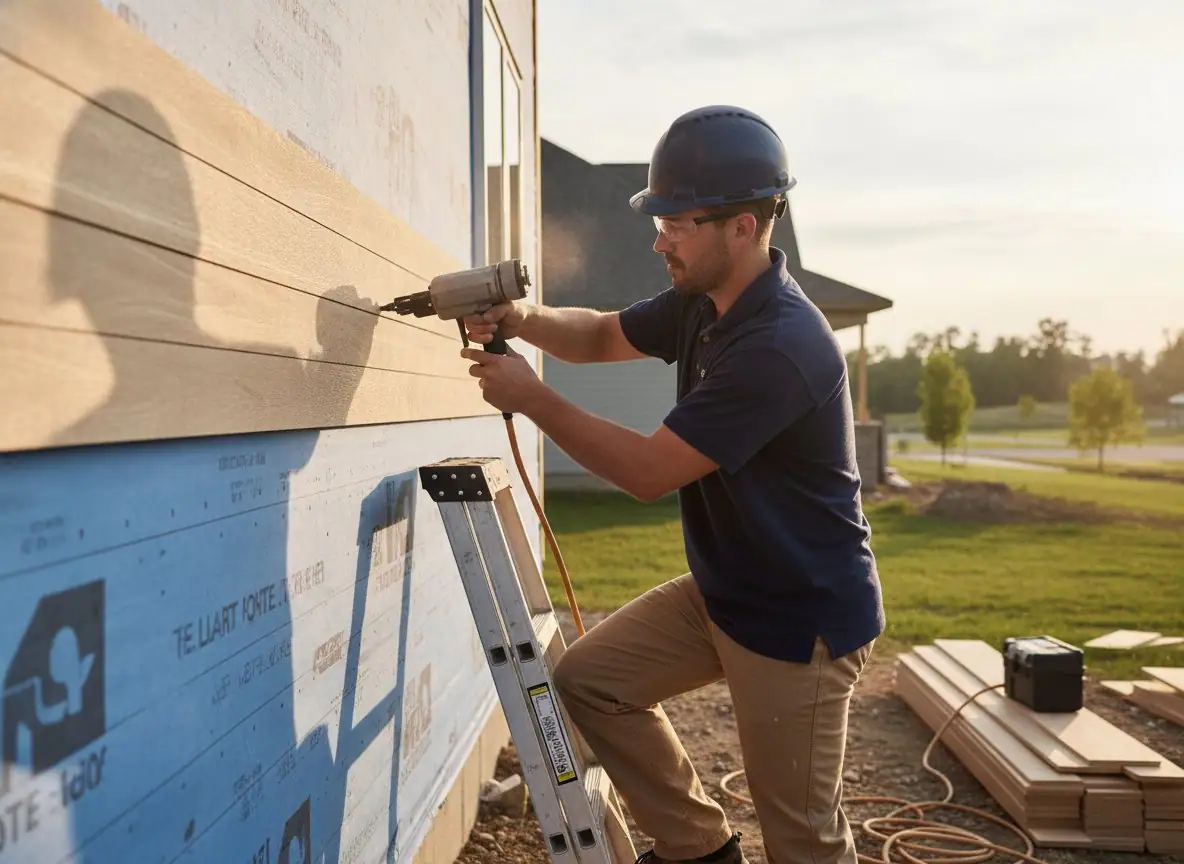
Siding Installation in Tuttle, OK
Siding installation is more than hanging new panels on your walls. It is a layered system of sheathing, water-resistive barrier, flashing, trim and cladding that keeps Oklahoma wind, rain and hail out of your home. Frontier Siding Solutions provides siding installation in Tuttle, OK and nearby communities. This page explains what the work involves, what goes under and around new siding, and what drives the price, so you can plan with confidence.
Homeowners usually compare three things before they choose: materials, project timelines and contractor estimates. We cover all three below. When you are ready, we offer a free inspection and a written estimate. Call (405) 342-8409.
What does siding installation include?
A complete siding installation includes removing old cladding, repairing the wall underneath, installing a water-resistive barrier and flashing, putting up the new siding and trim, and cleaning up the site.
Siding installation companies package this work in different ways. Some contractors work as general contractors and coordinate the whole exterior. Others bundle siding with windows, doors, roofing and trim. Either way, ask exactly what is included in the line items, because the parts you cannot see after the job, like flashing and wall repairs, matter most. Here is how a typical installation runs:
- Prep. We protect landscaping, windows and AC units, then remove the old siding. We inspect the sheathing for rot, soft spots and insect damage, and we replace damaged boards before anything new goes on.
- Water-resistive barrier. House wrap or another water-resistive barrier is installed shingle-style, with upper courses lapping over lower ones and seams taped. Windows and doors get flashing tape, and kick-out flashing goes in where a roof meets a wall.
- Installation. Starter strips, corner posts and J-channel are set level and plumb. Then the siding goes up course by course, fastened to the specifications for the material.
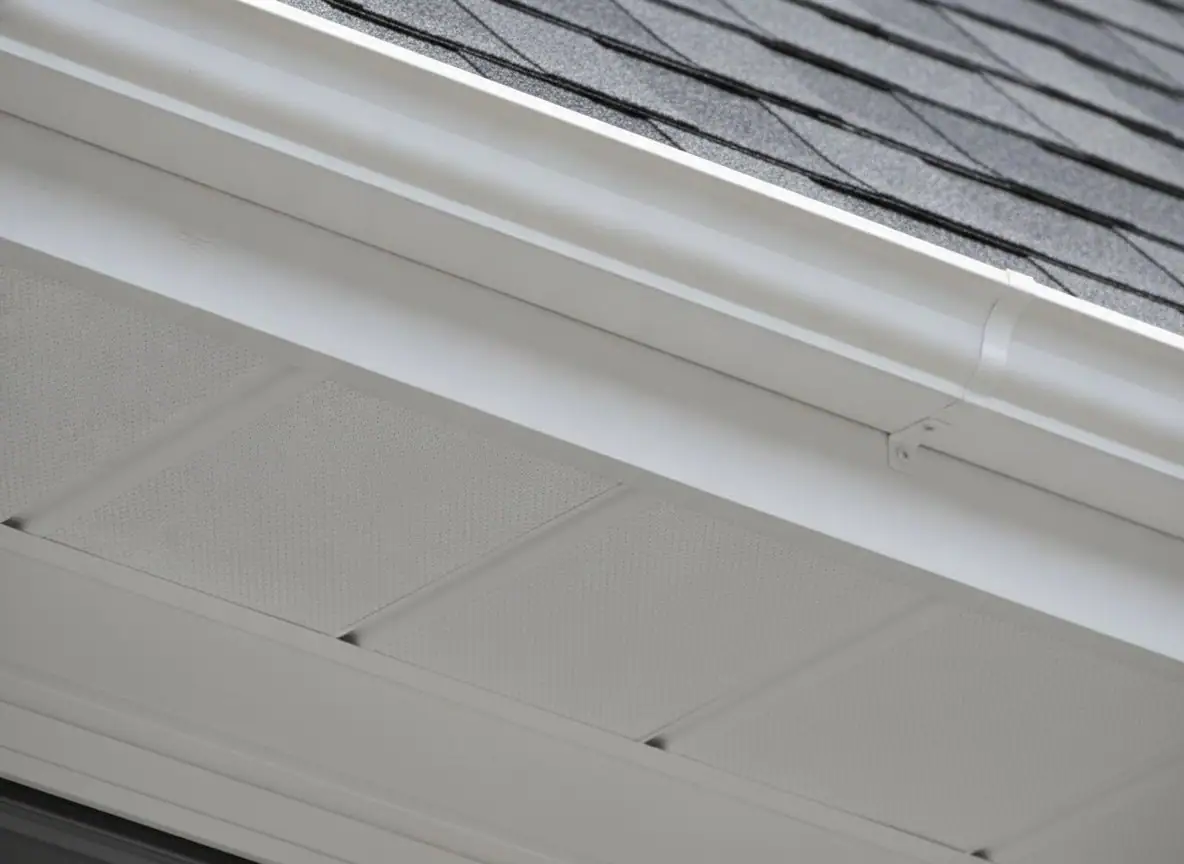
- Trim. Fascia, soffit, window and door casings, frieze boards and gable trim are installed and sealed where the manufacturer calls for it.
- Cleanup. We haul away debris, sweep the yard with a magnet for nails and do a final walk-around with you.
Knowing the steps raises a fair question: could you do this yourself?
How easy is it to put up siding on a house?
Putting up siding looks simple, but doing it correctly on a whole house is hard, and small mistakes lead to leaks, buckling and voided manufacturer warranties.
Vinyl is the most forgiving material, and it still has strict rules. Nails go in the center of the slots and are left slightly loose, about 1/32 inch, so the panel can move. Panel ends need an expansion gap of roughly 1/4 inch at J-channel and corner posts. Every course has to stay level across the whole wall. Fiber cement is heavier and needs silica dust control when it is cut. It also requires specific nail placement, joint flashing and clearances. Working on ladders or scaffolding at gable height adds real safety risk.
A small repair on a single wall can be a reasonable DIY job. A full house is better handled by an experienced siding installation contractor. Much of the risk sits in the layers you never see after the job, which starts with what goes under the siding.
Free, no-obligation estimates
Talk to Frontier Siding Solutions
Tell us what you need and we’ll take it from there.
What should you put under vinyl siding?
Under vinyl siding you need solid, sound sheathing covered by a water-resistive barrier such as house wrap, plus flashing at every window, door and roof-to-wall joint.
Vinyl siding sheds most rain, but it is not watertight. Wind-driven rain gets behind the panels, and the layer underneath has to carry that water down and out. Common options:
- House wrap: A breathable sheet that blocks liquid water but lets water vapor escape. This is the standard choice for most Tuttle homes.
- Insulated or fanfold foam board: Adds a small amount of insulation and gives a flatter surface on uneven walls. Seams must be taped if the foam is used as the drainage plane.
- Drainage wraps or furring strips: Create a small gap behind the siding so water drains and walls dry faster. These are useful on walls that take heavy weather.
- Flashing tape and metal flashing: Required around openings and at roof lines regardless of which barrier you choose.
People often mix up a water-resistive barrier and a vapor barrier, which leads to the next question.
Do I need a vapor barrier under vinyl siding?
In most Tuttle homes you do not need a plastic vapor barrier under vinyl siding. You do need a breathable water-resistive barrier.
A vapor barrier, such as polyethylene sheeting, stops moisture vapor from moving through the wall. Central Oklahoma has a mixed-humid climate. Walls get moisture from both sides over the year: humid summer air pushes in from outside, and heated indoor air pushes out in winter. If you trap that moisture behind plastic on the outside of the wall, the sheathing can stay wet and rot. A breathable house wrap keeps rain out and lets the wall dry.
The decision rule is simple. Use a water-resistive barrier behind any siding. Do not add an exterior plastic vapor barrier unless a specific wall design calls for it. Once the wall is protected, the next choice is the cladding itself, and vinyl is not the only option.
At a glance
What looks better than vinyl siding?
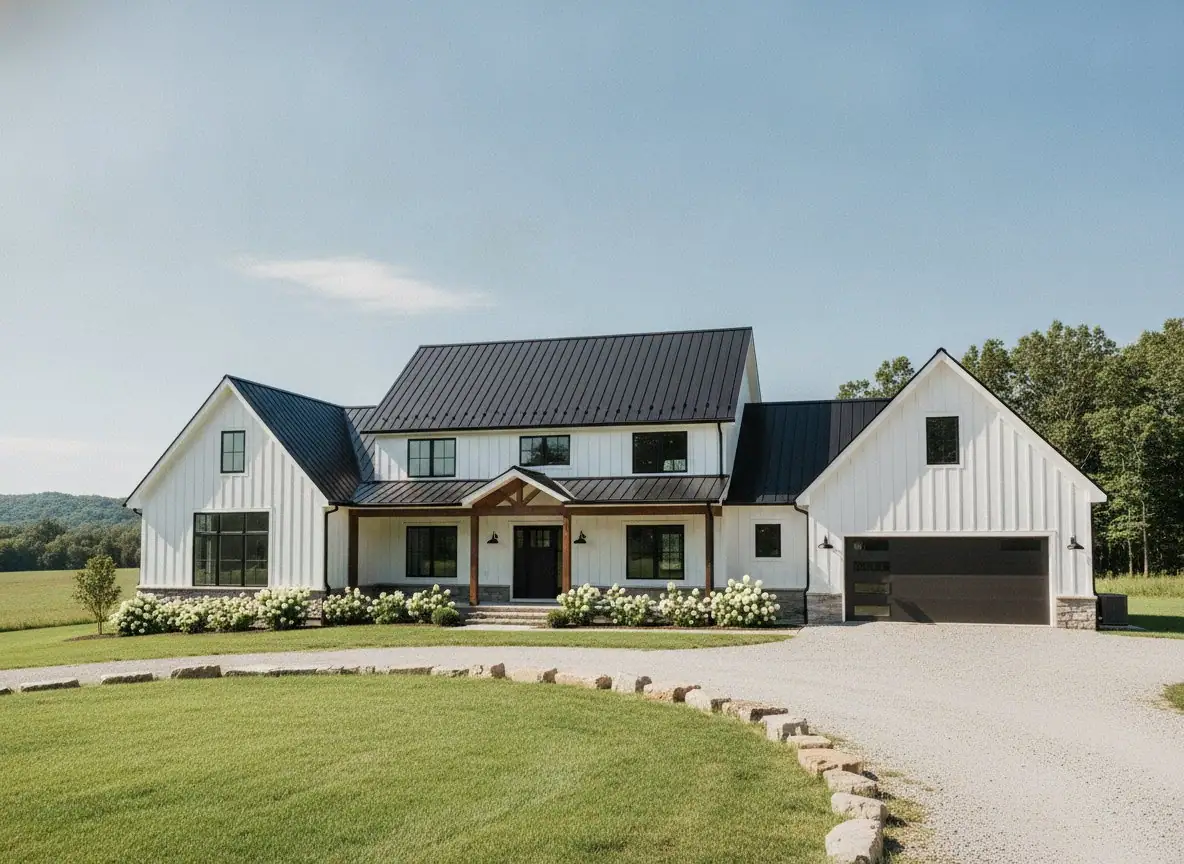
Fiber cement, including James Hardie, and board and batten siding usually look more like painted wood than vinyl does, with deeper shadow lines and crisper edges. Vinyl stays the lowest-maintenance, budget-friendly choice.
All of these are low-maintenance siding options, and each comes in multiple color options, either pre-finished from the factory or painted on site. How they compare:
| Material | Look | Maintenance | Weather and impact | Best fit |
|---|---|---|---|---|
| vinyl siding installation | Lap, shake and vertical profiles; thinner shadow lines | Wash occasionally; no painting | Can crack in hail or extreme cold; thicker panels hold up better | Budget-focused projects and rentals |
| Fiber cement siding installation | Wood-like grain or smooth; thick, crisp edges | Repaint every several years if site-painted; factory finishes last longer | Stands up well to hail, wind and fire; does not melt | Homeowners who want durability and a painted-wood look |
| James Hardie siding installation | Branded fiber cement in many profiles and factory colors | Low; factory-finished options are available | Strong impact and moisture resistance when installed to spec | Long-term homes and curb appeal upgrades |
| Board and batten siding installation | Vertical boards with battens; farmhouse and modern styles | Depends on material: vinyl, fiber cement or wood | Depends on material; vertical joints need careful flashing | Accent walls, gables and full modern exteriors |
Many homes combine materials, such as lap siding on the walls with board and batten or shakes on the gables. That is where details start to matter most.
Gable siding and trim: which details matter?
On gable siding and trim, the details that matter most are clean angled cuts, proper flashing and clearances where siding meets the roof, and trim that is sealed and fastened so water cannot get behind it.
Gable ends
Gables sit high, catch wind-driven rain and are visible from the street, so mistakes show and leak. Every course has to be cut to the roof pitch, with the cut end held in J-channel or against rake trim. Gable vents need their own trim ring and flashing. Fiber cement products call for a gap above the roofing where a wall meets a roof, typically 1 to 2 inches, so the siding does not wick water. Switching to board and batten or shakes on the gable is a popular way to add texture without changing the main walls.
Read moreShow less
Siding trim
- Corners: Corner posts or corner boards set plumb, with the water-resistive barrier lapped behind them.
- Windows and doors: Head flashing over each opening and casing trim that sheds water outward.
- Frieze and fascia: These close the gap between the top of the wall and the soffit and keep out pests and wind.
- Kick-out flashing: Directs roof runoff away from the wall where a roof edge ends against siding. This is one of the most commonly missed details.
- Bottom edge: A starter strip or drip edge, with clearance above grade and hard surfaces. Fiber cement typically needs about 6 inches above soil.
Detailed trim work takes time, so it also shapes the schedule.
At a glance
How long does siding installation take?
Siding installation on a typical single-family home in Tuttle usually takes from a few days to around two weeks, depending on size, material and what turns up under the old siding.
| Factor | Effect on timeline |
|---|---|
| Home size and number of stories | More wall area and scaffolding add days |
| Material | Vinyl generally installs faster than fiber cement, which is heavier and needs more cutting and finishing |
| Tear-off | Removing one or more old layers adds time at the start |
| Hidden damage | Rotted sheathing or framing must be repaired before new siding goes on |
| Gables, trim and openings | Steep gables and many windows mean more cuts and flashing |
| Weather and material lead times | High wind, storms and special-order colors can shift the schedule |
We give you an expected schedule with your estimate. The same factors that affect time also drive cost.
At a glance
How much does siding installation cost in Tuttle, OK?
Siding installation cost in Tuttle depends mainly on your home's size, the material you choose, access and height, how much old siding comes off, and how much damage is found underneath. We provide a written quote after a free inspection.
We do not publish one-size-fits-all prices, because two houses on the same street can need very different work. These are the factors that move the number:
| Cost factor | Why it matters |
|---|---|
| Wall area | Siding is priced by the amount of wall covered, minus openings |
| Material and profile | Vinyl, fiber cement, James Hardie and board and batten differ in product and labor cost |
| Stories, pitch and access | Tall gables, steep slopes and tight lots require scaffolding and slower work |
| Tear-off and disposal | Removing and hauling away old siding, especially multiple layers |
| Damage extent | Sheathing, framing or insect repairs found after removal |
| Barrier and insulation | House wrap, drainage wrap or foam board choices |
| Trim and details | Soffit, fascia, window casings, gable vents and corner styles |
| Permits | Any local permit and inspection requirements |
For a closer look at budgeting, see our guide to siding installation cost in Tuttle. If storm damage is behind your project, we help homeowners with insurance claims, and financing is available. Once you understand the cost drivers, the next step is choosing who will do the work.
How do I choose a siding installation company in Tuttle?
Choose a siding installation company that inspects before quoting, puts the full scope in writing, explains the barrier and flashing plan, and installs to the manufacturer's instructions for your chosen material.
- Get itemized estimates: Compare tear-off, water-resistive barrier, flashing, trim and cleanup line by line, not just the total.
- Ask about hidden damage: Find out how sheathing repairs are handled and priced if rot is found.
- Confirm insurance: Ask for proof that the contractor carries insurance.
- Clarify scope: Some contractors bundle windows, doors and roofing. Know which trades are included and who manages them.
- Compare timelines: A realistic schedule is better than a rushed one.
Frontier Siding Solutions is insured and handles vinyl, fiber cement, James Hardie and board and batten installation, along with siding replacement and repair. See all of our home siding services in Tuttle, or learn more about Frontier Siding Solutions in Tuttle.
Read moreShow less
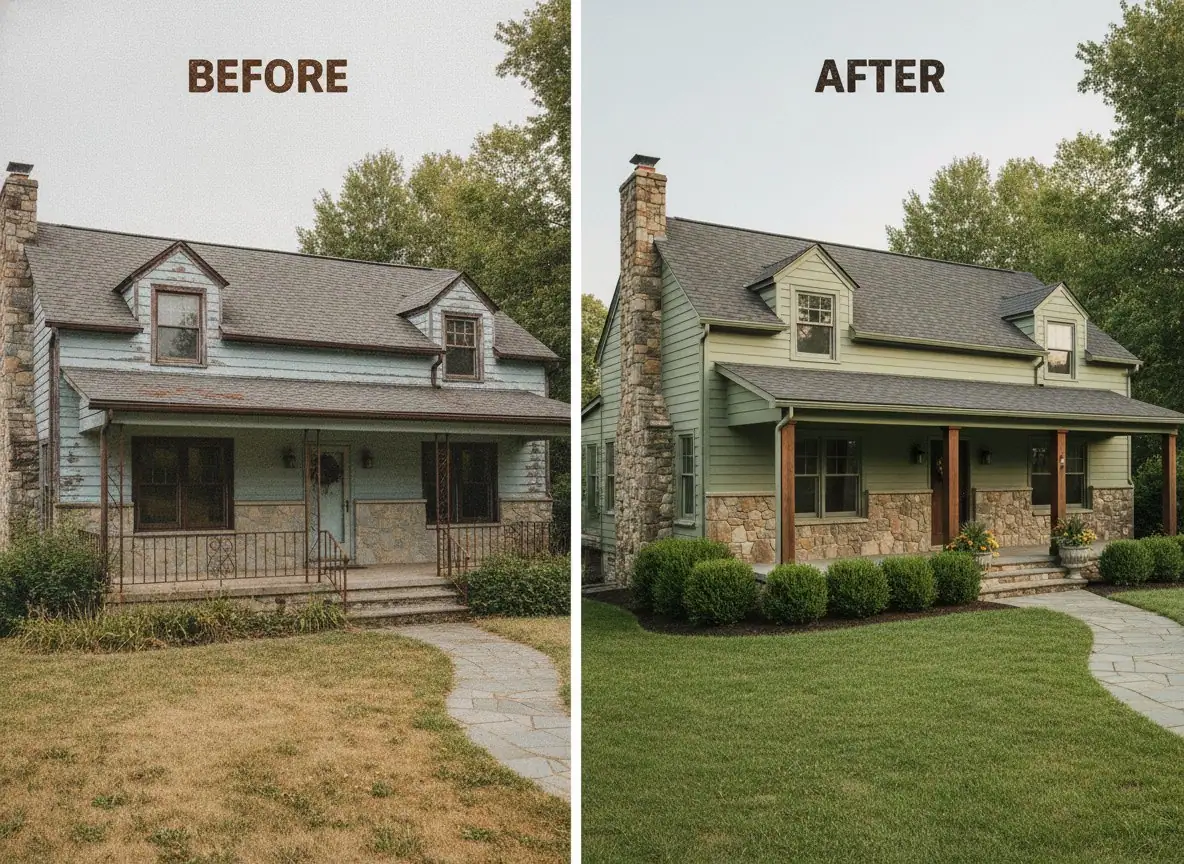
Photo gallery: siding installations in Tuttle
[Photo gallery placeholder: before-and-after photos of local siding installation projects in Tuttle, OK, including gable siding, trim and board and batten details.]
Request your free installation estimate
Call (405) 342-8409 or use our contact form to schedule a free inspection and written estimate. We also offer 24/7 emergency service for storm-damaged siding.
FAQ
Frequently asked questions
How do I seal the gap between my siding and the foundation?
Do not caulk the bottom edge of the siding shut, because water behind the siding needs a way out. Instead, close the gap with a starter strip or drip edge flashing that laps over the top of the foundation. Seal the sill plate joint from the inside with sill sealer or foam, and keep proper clearance above soil and hard surfaces. Fiber cement typically needs about 6 inches above grade.
How thick should exterior wood siding be?
Bevel or lap wood siding is commonly about 1/2 to 3/4 inch thick at the butt edge. Board and batten boards are usually nominal 1-inch lumber, which measures about 3/4 inch. Thinner boards are more likely to split and cup, so follow the product and local code requirements for your wall.
Do I need a permit for siding installation in Tuttle?
Permit requirements depend on the scope of work and current local rules, especially if wall sheathing or framing is replaced. Check with the City of Tuttle before work begins. We will go over permit questions during your free estimate.
Can new siding be installed over old siding?
Sometimes. Vinyl can occasionally go over flat, sound siding. However, covering old siding hides rot and skips the chance to install a proper water-resistive barrier and flashing. Fiber cement and James Hardie products need a flat, solid substrate, so tear-off is usually the better choice. We recommend deciding after an inspection.
Does Frontier offer financing for installation?
Yes. Financing is available for siding installation. Ask about options when we deliver your written estimate.
Ready to plan your project? Call Frontier Siding Solutions at (405) 342-8409 for a free inspection.
Why choose us
Why choose Frontier Siding Solutions?
Free estimates
Get a clear, no-obligation estimate before any work begins.
Licensed & insured
Your property and our crew are protected on every project.
Residential & commercial
One team for homes, multi-family and commercial properties.
Locally owned & operated
A local team serving your community and the surrounding area.
Get in touch
Find siding help near you
Request a free estimate online or give us a call — our team will follow up quickly.
- Call us(405) 342-8409
- Visit4215 Sambar St, Tuttle, OK 73089
- HoursMonday- Sunday: 7 AM- 7PM